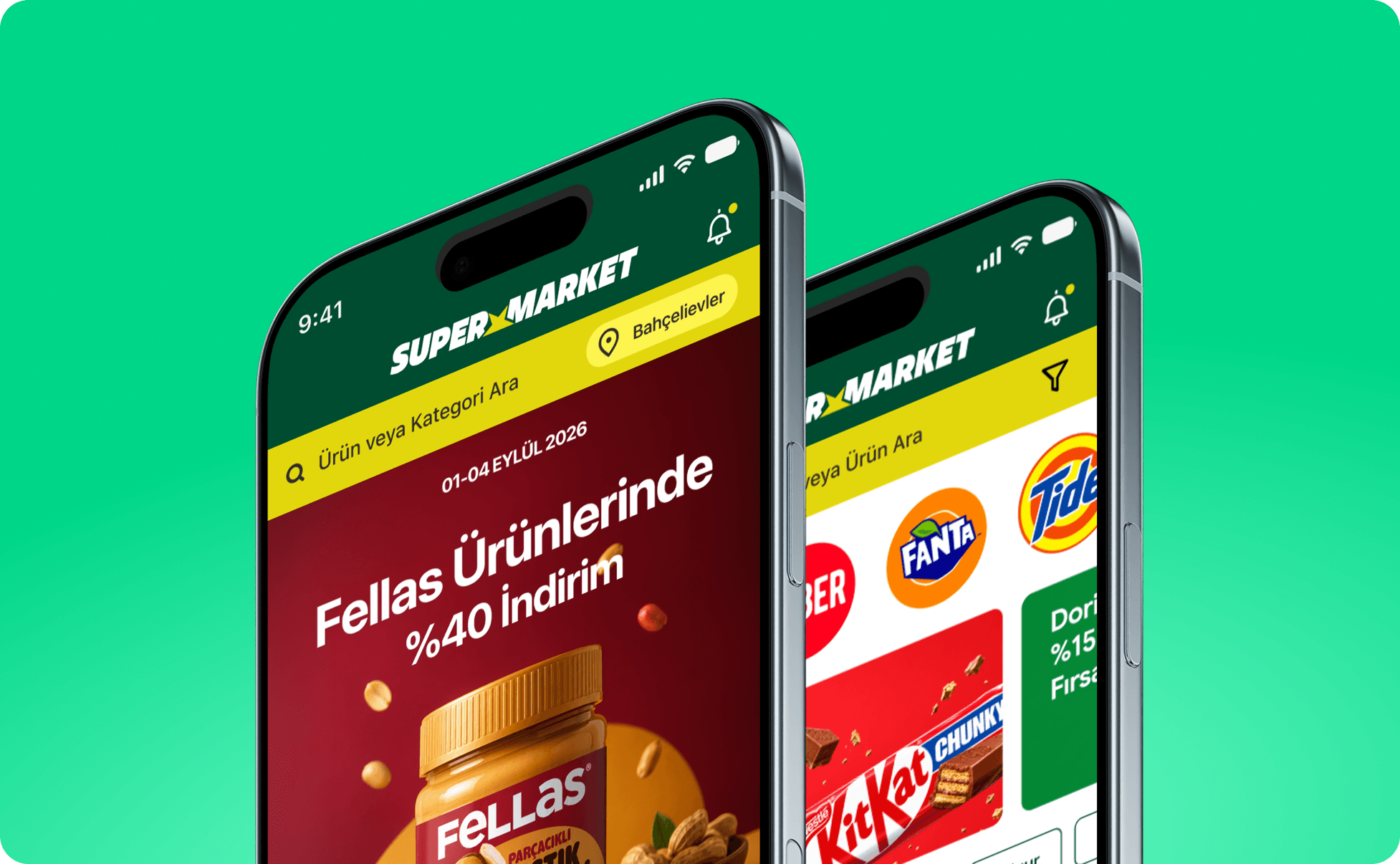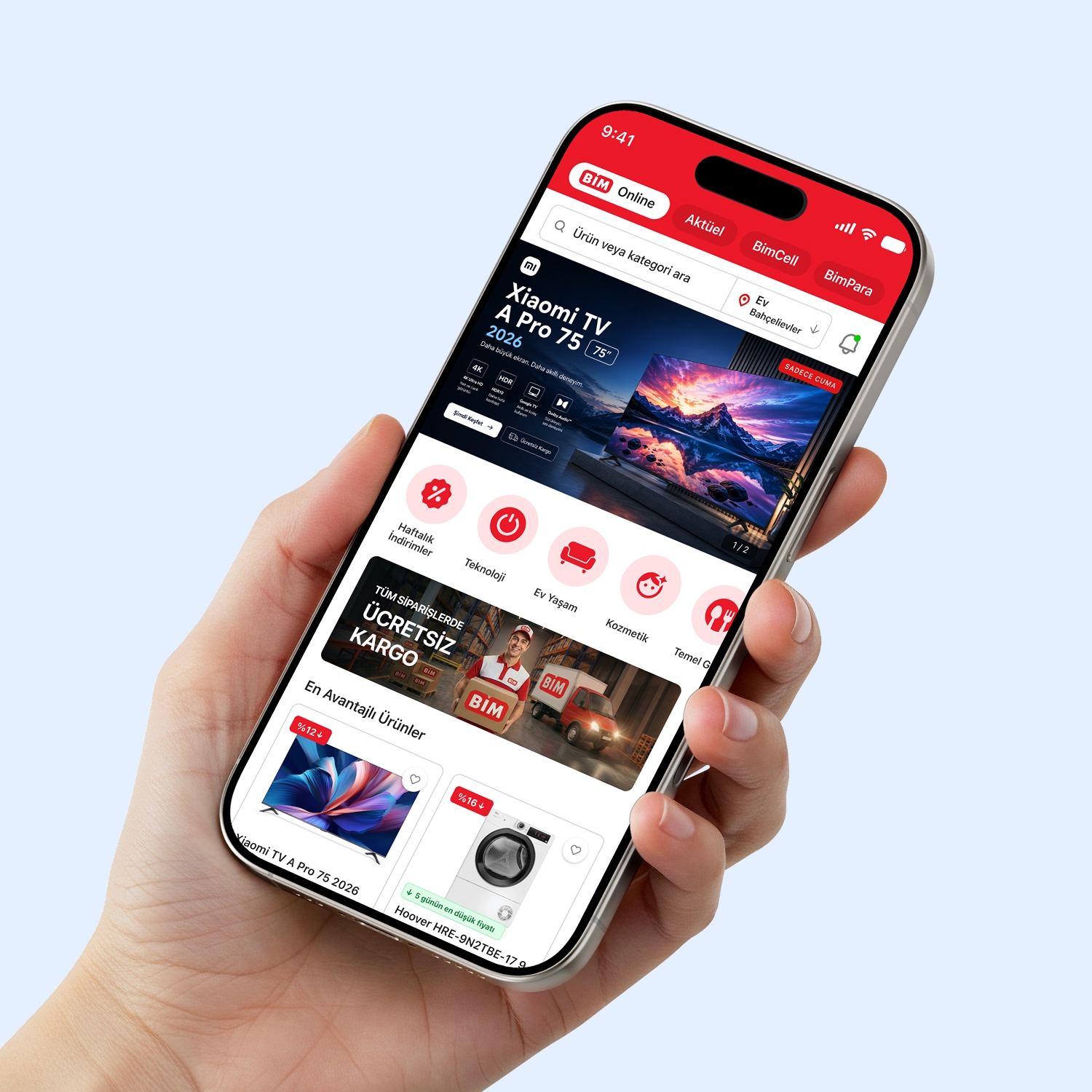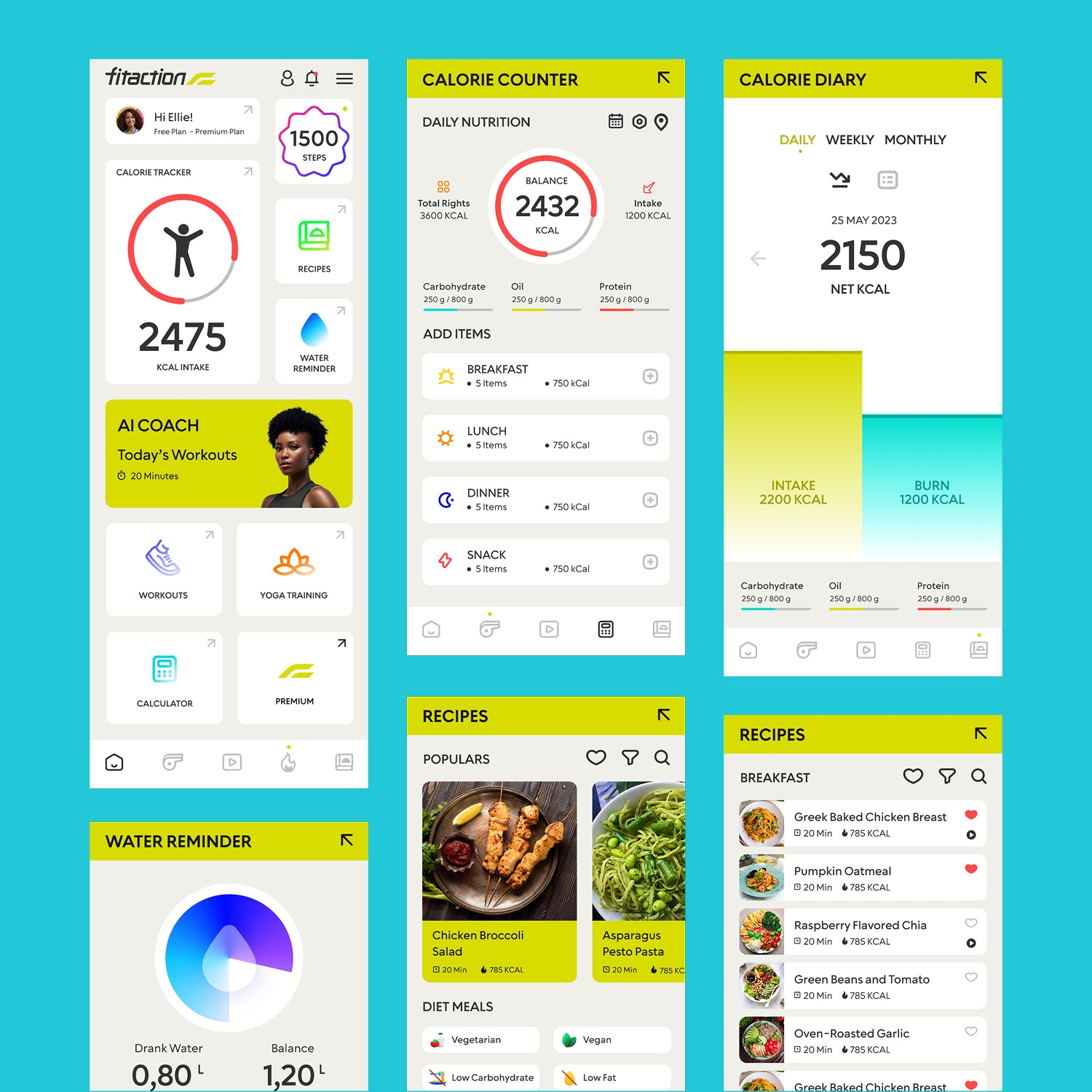
Most visitors don't type what they're looking for on your site; they show it through the traces they leave. We designed AI Assist not as a chatbot but as an intuition layer that reads those traces.
Not a chatbot, an intuition layer
Say "AI-powered chat assistant" and the same picture always comes to mind: a box, a question, an answer. What sets AI Assist apart is that it can understand visitors without them typing a word. The categories they browse, the prices they compare, the filters they try — all of these are intent signals. The system interprets these signals using live heatmaps and neuromarketing principles, and surfaces the right recommendation before the visitor asks anything.
The invisible loss
As a catalog grows, something quietly breaks: the odds of visitors finding the right option on their own go down. This loss never appears as its own line in any analytics dashboard; it only shows up in the conversion rate, with no clear cause. AI Assist makes this invisible loss measurable: every recommendation it makes is also a data point that reaches your team.
As a catalog grows, the odds of visitors finding the right option on their own quietly go down.
Two paths, one outcome
- Recommendations from behavior. Without typing anything, visitors see a recommendation drawn from their browsing pattern.
- Questions in plain language. If they prefer, they ask directly; semantic search matches on intent, not just keywords.
- Qualified leads, straight into the CRM. Whichever path they take, the opportunity lands in the sales team's CRM along with its context.
Why now
Setup takes two weeks and requires no developer resources. The real decision isn't technical but strategic: making the "I couldn't find it, so I gave up" moments on your site visible and measurable. That's a visibility question that comes before the conversion rate.