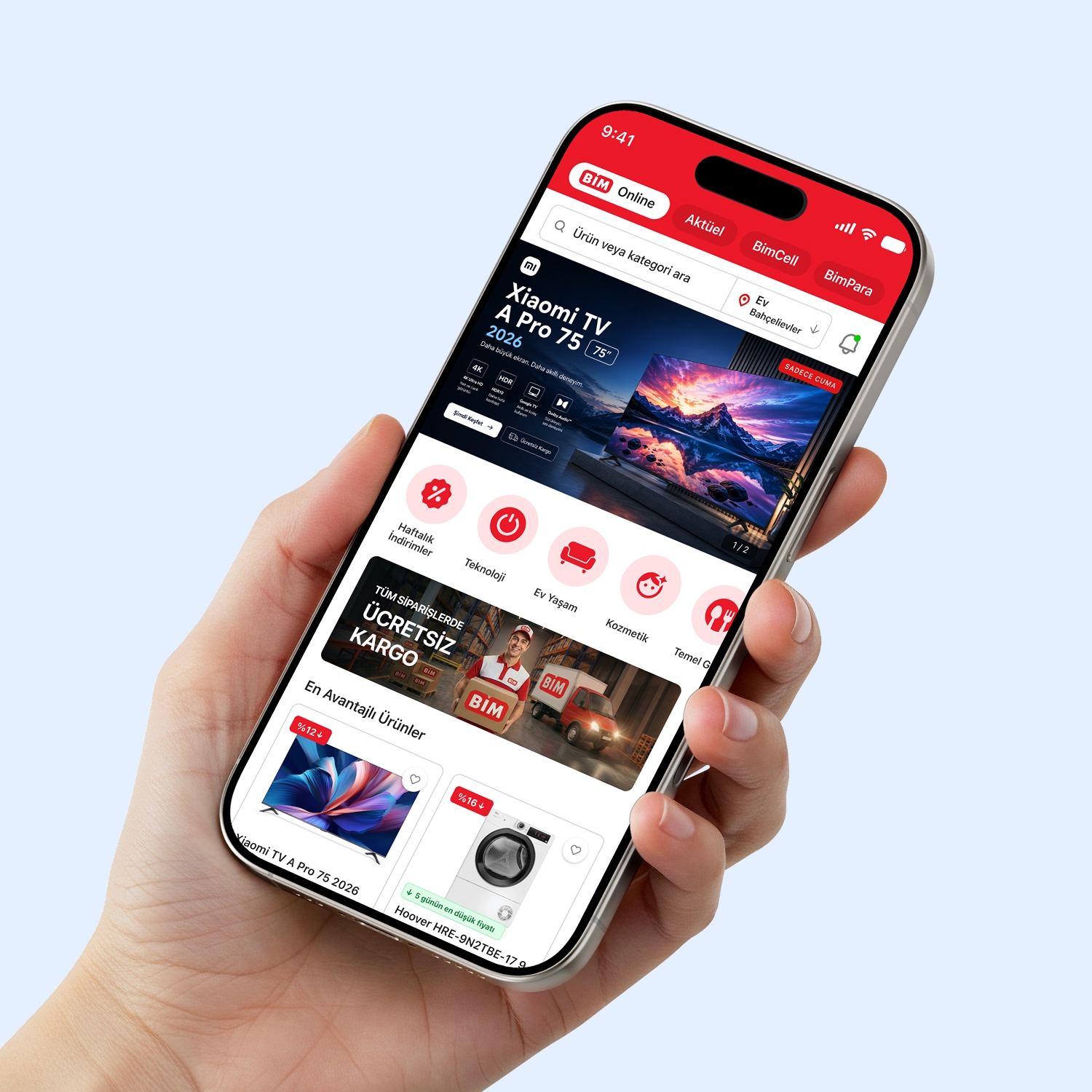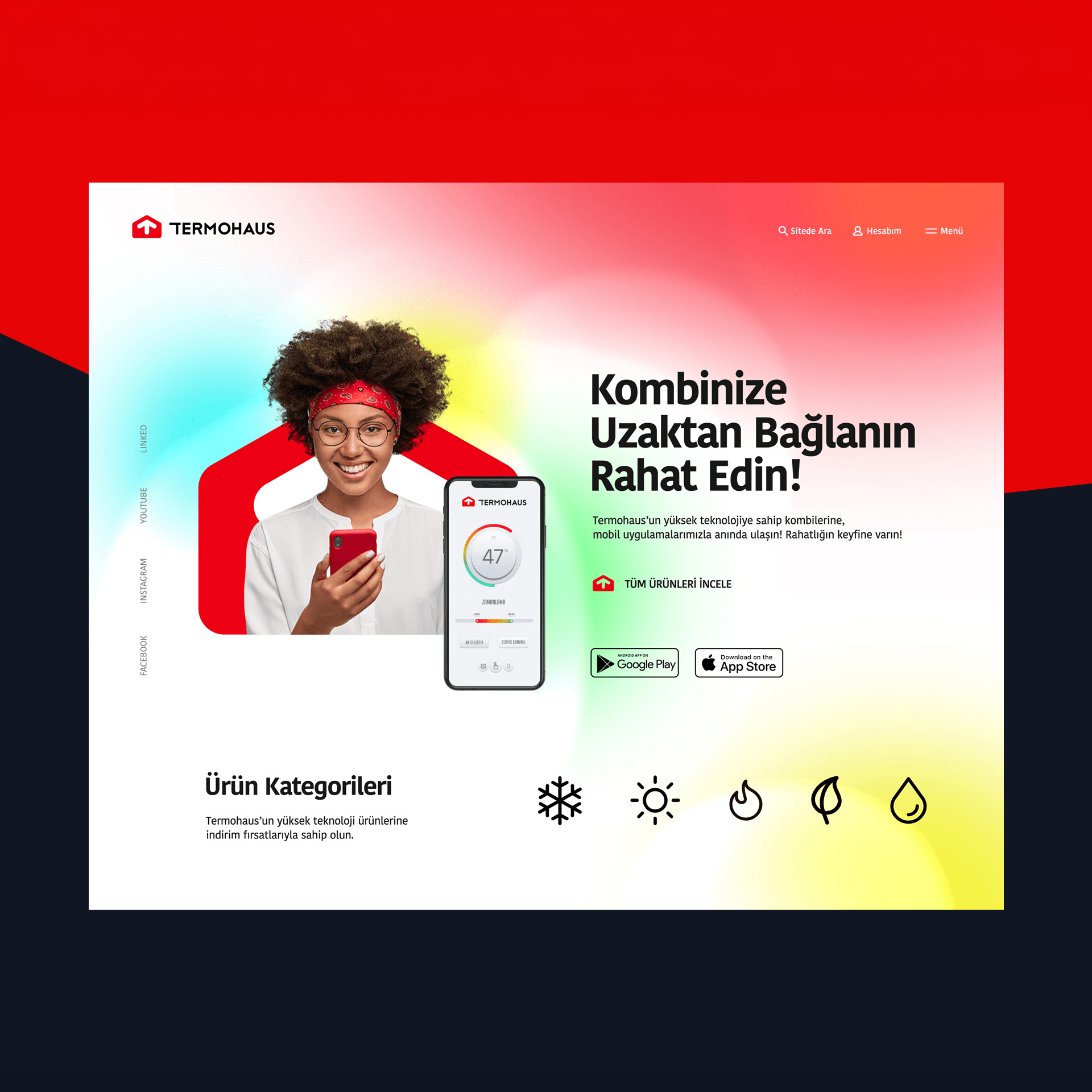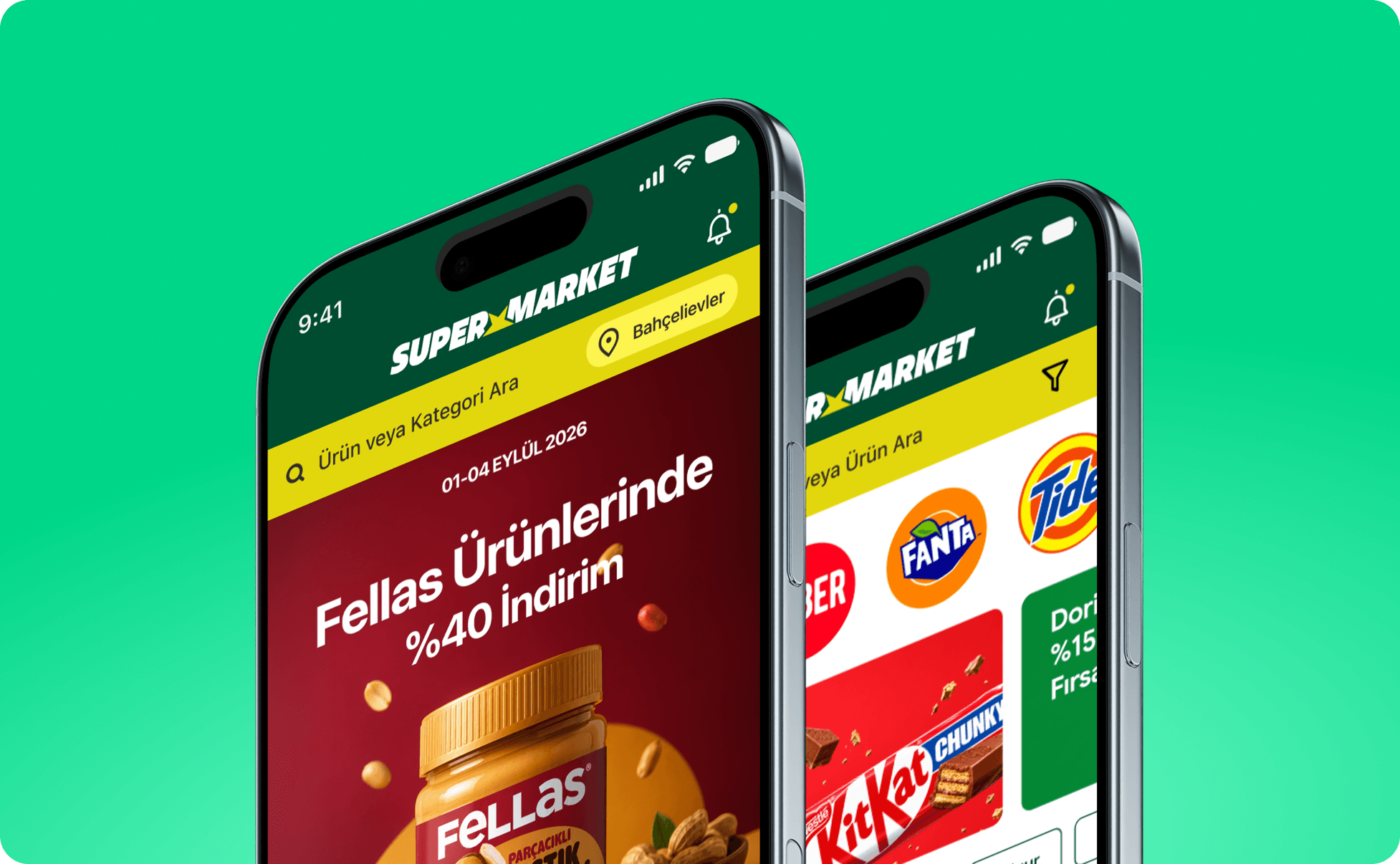
For most brands, web, iOS and Android mean three separate projects, three separate budgets and three separate inventory lists. When building Sade Commerce, the question we asked was simple: why don't these three share the same truth?
Three platforms, three separate systems
When a brand's web store is built by one agency, its iOS app by another team and its Android app by a third vendor, what you get isn't three products but three separate truths: different stock counts, different price update schedules, different campaign rules. In Sade Commerce, the web store and the native iOS and Android apps are built on the same infrastructure and managed from a single panel.
One inventory, one truth
Inventory is at the center of the decision. If a product sold on one channel isn't updated instantly on every other platform, you end up either overselling or showing a false "out of stock" — and both damage trust. That's why real-time inventory sync isn't a "feature" here; it's the backbone of the system.
When three platforms don't share one truth, you don't get three products; you get three separate problems.
What we prioritized
- Payment and shipping integration from the start. Card, digital wallet and installment options, along with automatic tracking sync with shipping carriers, go live in the first phase of setup.
- Push notifications, mobile's strength. Campaigns and order status reach mobile users directly and instantly — a channel email lost long ago.
- Marketplace sync isn't optional; it's designed in. For brands that sell on channels like Trendyol and Hepsiburada, two-way data flow is planned from the very beginning.
The outcome
The average time to launch is four weeks, without the hassle of coordinating three separate vendors. The real gain isn't speed but consistency: whichever platform customers come in from, they see the same stock, the same price and the same campaign.