Transformation with an end date is transformation that ends. Building rituals matters more than a roadmap, because a roadmap runs out and a ritual stays.
The trap of project thinking
Once transformation becomes a project, it gets a kickoff, a budget and a closing meeting. Six months after the close, teams drift back to their old tools, because the only thing keeping the new way of working alive was the project team, and that team has since disbanded.
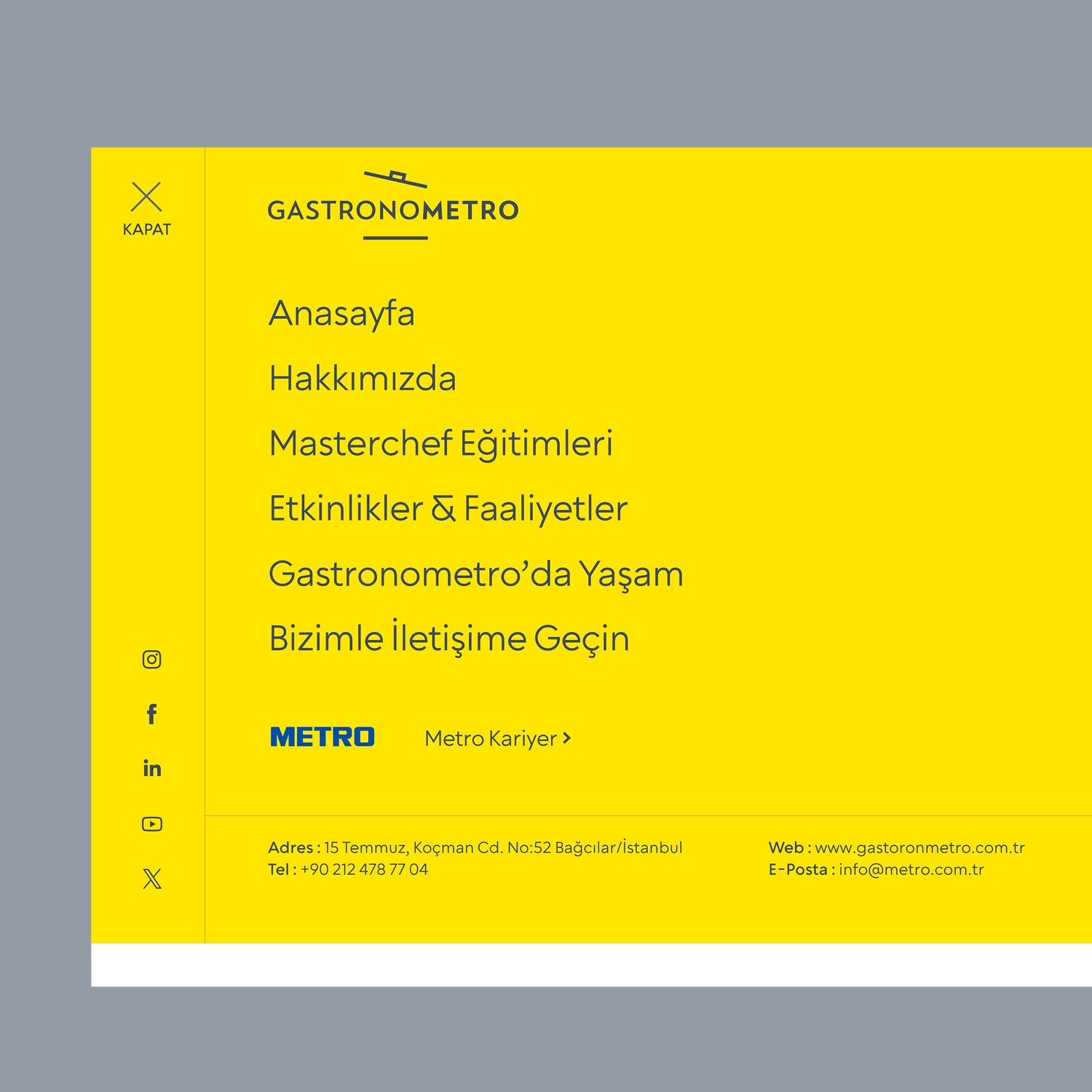
At Gastronometro, we deliberately designed the engagement without a close: what we delivered wasn't a platform but a working routine that makes the platform a little more usable every month.
What keeps transformation alive isn't budget; it's small, recurring meetings.
A ritual instead of a roadmap
A ritual is a meeting with a fixed place on the calendar whose output is a decision. We set up three rituals: a monthly content review, a biweekly reading of usage data and a quarterly scope pruning.
The third turned out to be the most useful. Cutting scope each quarter instead of adding to it kept the system light.
The conditions that keep a ritual alive
A ritual survives only under these three conditions:
- A fixed slot on the calendar. The meeting is held because the calendar says so, not because there's an agenda; if there's no agenda, the meeting ends early rather than getting cancelled.
- One decision as output. Every meeting ends with at least one written decision; if there's no decision, the meeting is considered not to have happened.
- A visible owner. Every ritual has a single owner, named in writing; the owner can change, but the seat can never sit empty.
What we measured
Over an eighteen-month period:
What we learned
Measure the success of a transformation not by how many modules went live, but by whether the teams are still meeting in month twelve. If the ritual is still running, the transformation is still running.