Reducing positioning to a single sentence aligns the hundreds of small decisions teams make every day. What matters isn't how thick the strategy document is, but who can say no to what in the next meeting.
The presentation ends, the decisions begin
Most strategy engagements end with an impressive presentation and stop there. That's because the output is a document, while the place where a brand actually takes shape is the ordinary decisions made in weekly meetings. Which tone to use in a campaign visual, which product to feature, which partnership to turn down.
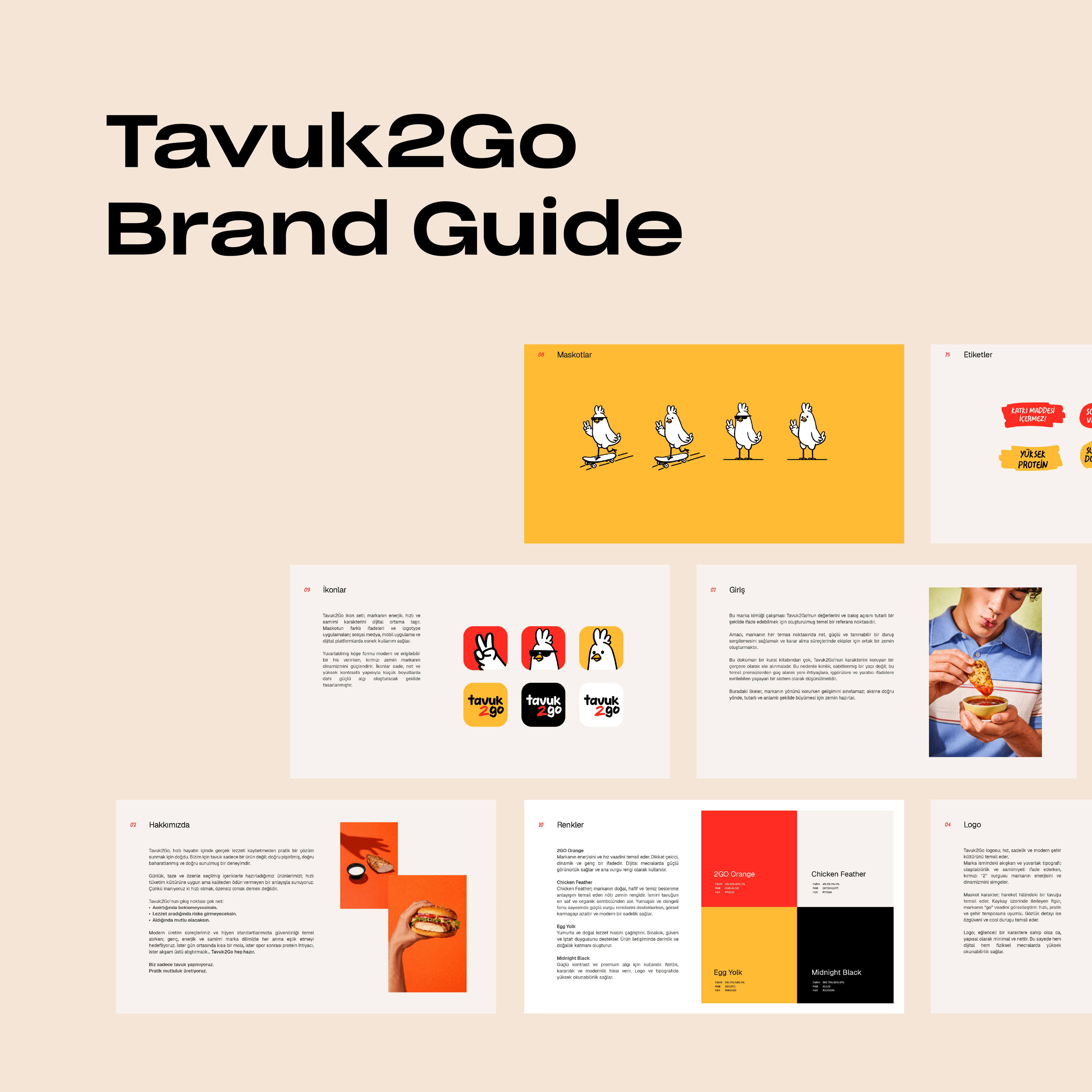
With the Tavuk2Go team, we split the brand identity strategy document in two: the first section covered what the brand is, the second what teams should do in a given situation. The second section was a third the length of the first and got used three times as much.
Good strategy clarifies not what you'll do, but what you won't.
Reduce positioning to a single sentence
A positioning sentence isn't sharp enough if it's still true after you take a competitor's name out of it. Our test is simple: we drop the same sentence onto three competitors' websites. If it fits, we rewrite it.
A sharpened sentence makes briefs faster to write. The number of back-and-forth rounds with agencies drops, and internal debates shift from matters of taste to matters of criteria.
Put the decision set in writing
What makes a strategy actionable is a handful of clear rules. Once you write them down, the brand starts defending itself:
- One priority audience. Every campaign has to grow the primary audience; the secondary audience can never be allowed to dilute the primary audience's language.
- The authority to say no. Who can stop work that doesn't fit the brand's language, and on what grounds, is defined by name.
- A do-not-touch list. Three elements that are reviewed once a year and never opened for debate in any sprint in between.
What we measured
Three things we measured in the teams applying the decision set showed that the strategy was working in the field, not just on paper.
What we learned
A strategy proves it's still current not on presentation day, but in month six. If it's still being referenced in month six, it was written correctly; if no one opens it, the problem isn't the team, it's the format of the document.